
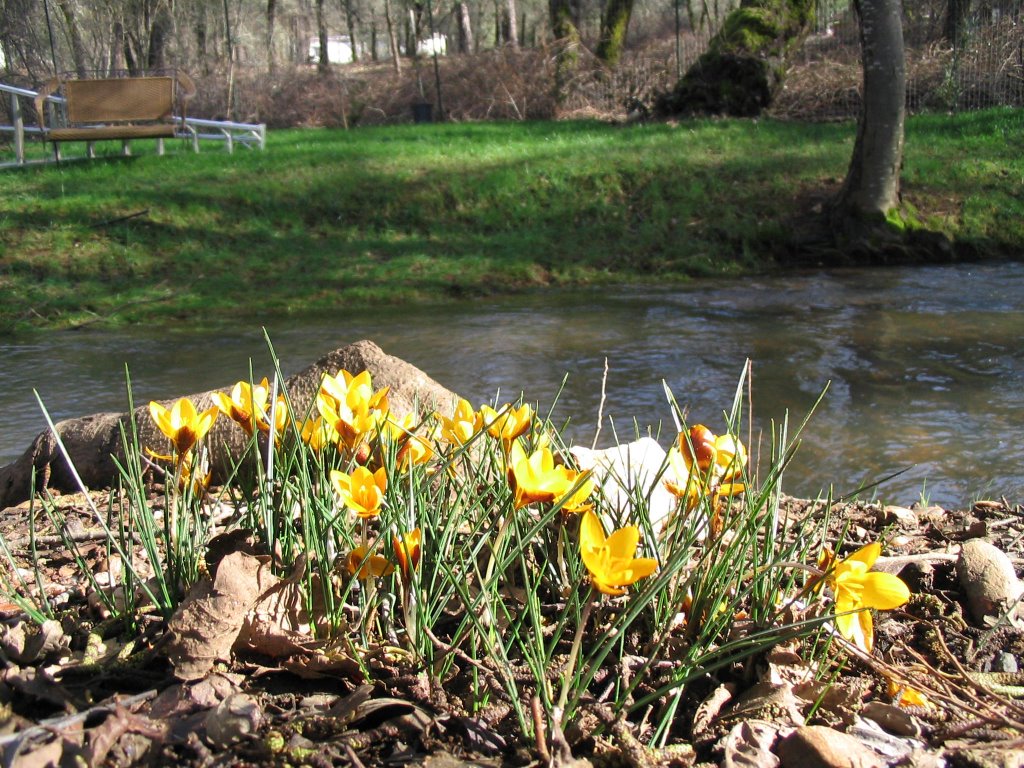
These are crocus, blooming along the banks of Empire Creek, here at the garden center. Crocus is an early blooming bulb available in the fall and early winter. They are one of the earliest blooming bulbs. A true sign of spring.
These are crocus, blooming along the banks of Empire Creek, here at the garden center. Crocus is an early blooming bulb available in the fall and early winter. They are one of the earliest blooming bulbs. A true sign of spring.


Looks like things are coming out of dormancy early this year. Here is Viburnum "Pink Dawn" next to a bird bath with ice. Daphne odora "Marginata" is also blooming. Usually it blooms around Valentines Day. It's nice to see signs of spring hidden in the winter landscape.
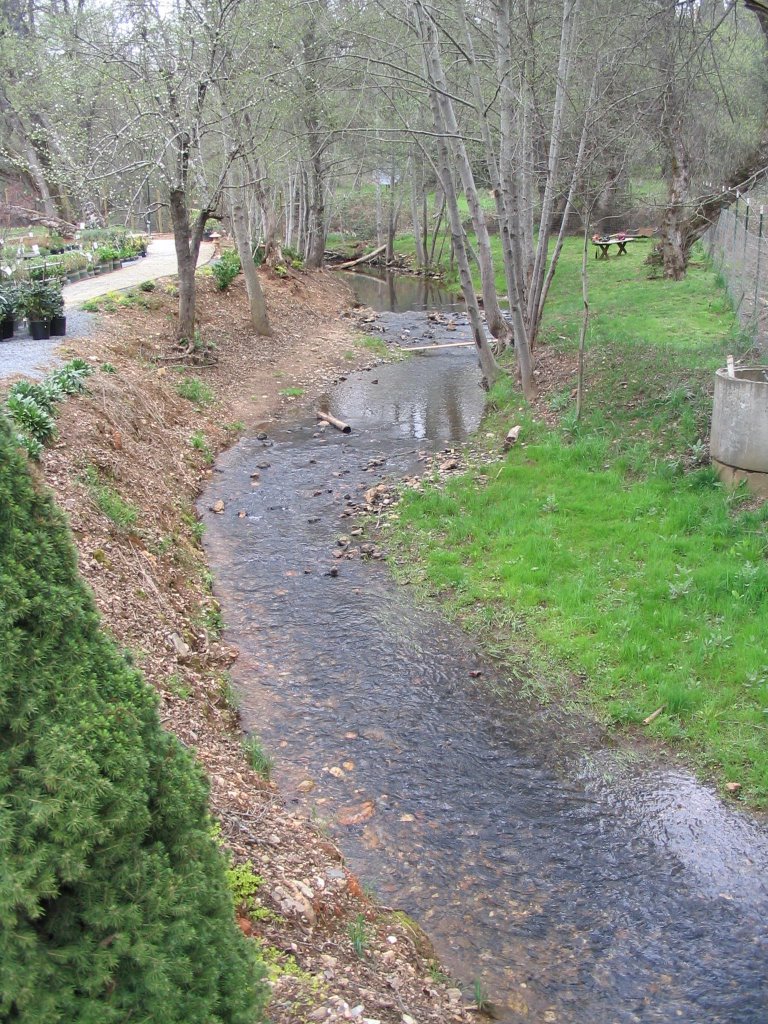

We have been busy at the nursery since the beginning of the year. The heavy rain at New Years caused the creek to rise and rip out a bunch of our fencing, as well as washing away about thirty feet of pathway. All in all it could of been worse, as this was as high as Empire Creek has been in twenty years. I have posted photos of the creek in summer contrasted with winter. We received over six inches of rain the night of December 30th. Many of our neighbors had water that came into their homes. We still have January and February to get through, which is when we usually receive the bulk of our rain. It will be interesting to see what our rain totals will be for the year. We are way above average right now.
This Saturday, Jan. 14th we will have a Fruit Tree pruning workshop. This workshop is free. We will meet inside where it is warm and dry. We will start at 11:00 am and finish by 12:00. Call to reserve a seat. 530.333.2394

This is the time of the year to spray deciduous fruit trees with dormant spray. It kills the over wintering diseases, like peach leaf curl, rust, powdery mildew, and more. You spray it right on the bare branches of the tree. Spray thoroughly, to the point of runoff. I use sulfur spray with horticultural oil mixed together in the spray tank. 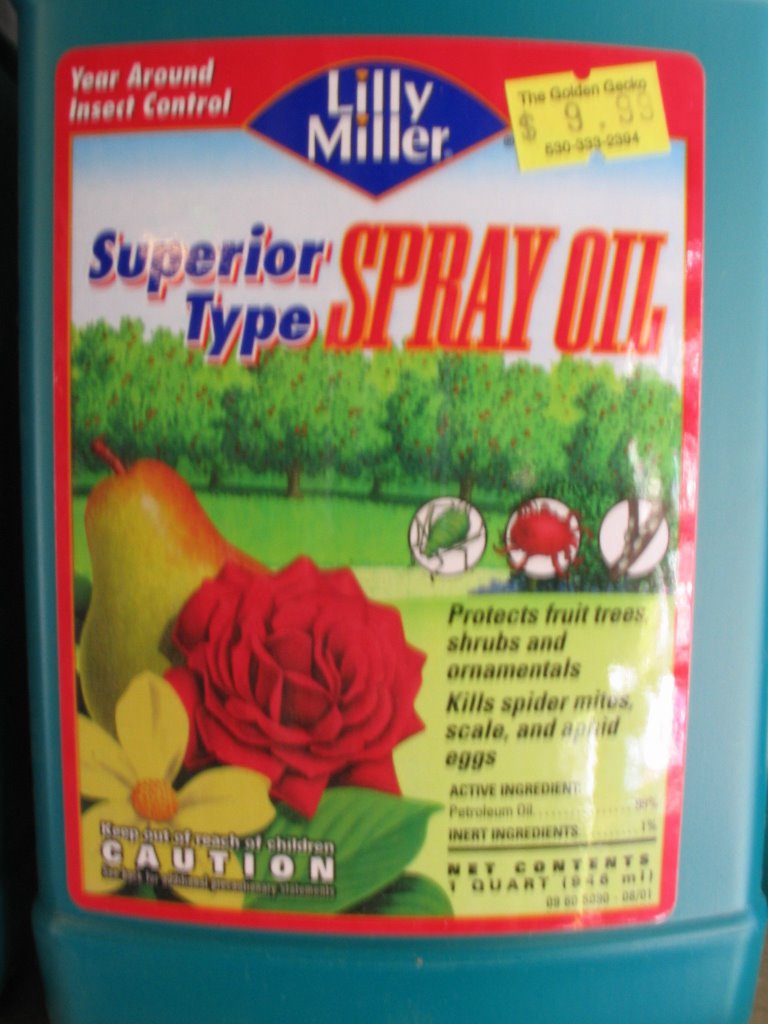
The oil kills overwintering bugs that hide in the cracks and crevices during winter. Organic gardeners should be sure to do a dormant spray, as it will mean using less sprays later in the season.
If you have apricots use copper instead of sulfur. It does the same thing as sulfur, but wont damage the apricot plant like sulfur will.
I'll be holding a winter care of fruit tree workshop in January. Follow the linkhttp://www.thegoldengecko.com/workshops.htm to our web page where we have posted the dates and times.

The hills are dotted with the beautiful fruit of the Toyon. You'll see them on dry slopes, usually about six to ten feet tall, shiny green leaves, and bright red berries. The scientific name of this common shrub is Heteromeles arbutifolia. Toyon adapts to a broad habitat in California and into Baja California. It grows as an evergreen shrub or small tree on semi-arid foothills and in dry canyons in the Coastal Range and along the western slopes of the Sierra.
Toyon is also known as "California Holly" and "Christmas Berry." Seen covered with shiny scarlet berries among its thick, holly-like green leaves in midwinter these nicknames are well deserved. As it grew upon the foothills above a then new Southern California subdivision, Toyon's nickname gave its name to "Hollywood Hills." Toyon is cultivated by gardeners. It is drought resistant, provides blooms of creamy white in spring, presents scarlet berries in fall, and tolerates shaping by pruning.
Now you know where the name "Hollywood" came from.

On the way back from Southern California we stopped at the Mission San Juan Batista. I like this mission since it has a section of the historical El Camino Real, the kings highway. This is the road the mission founders used when setting up and supplying the missions.
We also came across an old Cork Oak Tree. 
Quercus suber is the tree which cork for wine bottles comes from. The bark is peeled off every so often to manufacture the cork. Monica stands beside the tree. 
If you love early California history, and a town that seems right out of the past, make sure you stop at The Mission San Juan Batista. http://sjbca.com/
The Gardens at Disneyland are really quite spectacular. Most people don't notice all the work that goes into caring for a garden that is visited by millions. 
The gardeners at Disneyland have created displays that are really a treat. While climbing trough the Tarzan tree house, formally The Swiss Family Robinson tree house, I came across these plants with the interesting botanical signs made out of pieces of bamboo. I think I might be the only person taking pictures of these all day, but I just found them charming.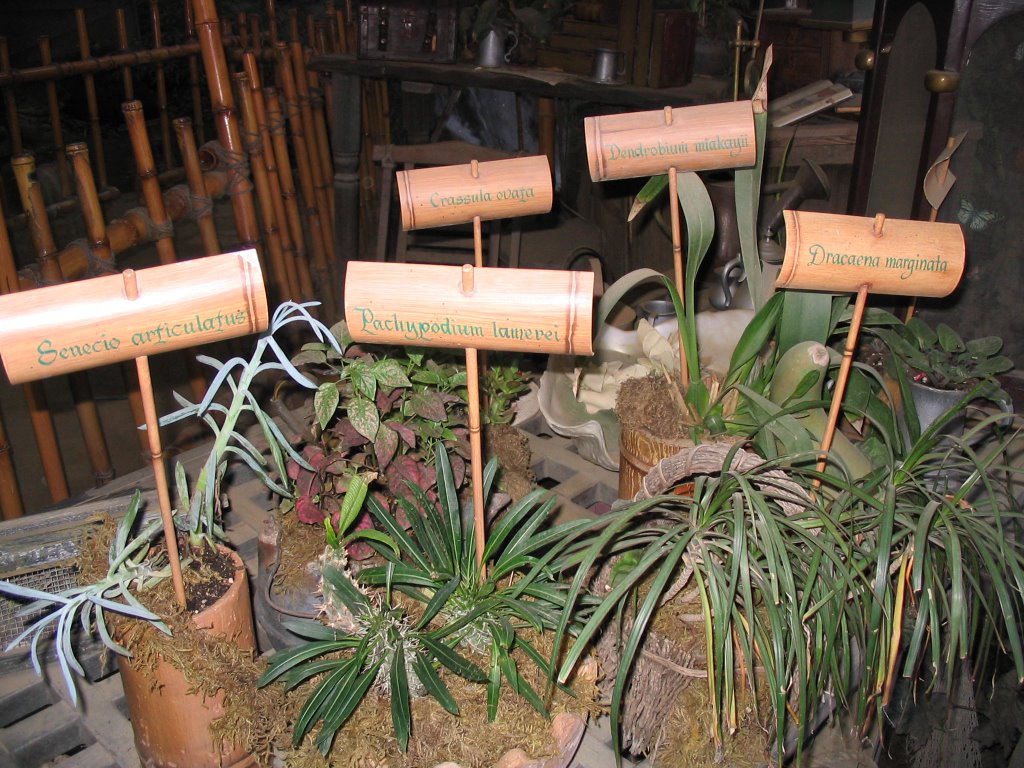
 Just came back from a trip to Southern California, Riverside, to visit my daughter and granddaughter. Looking through the areas of interest in the city I came across what is called the Parent Navel Orange Historical Park, located on Magnolia and Arlington Ave. We'll, when it comes to unusual or noted items of horticulture interest I am all over it.
Located at a very busy intersection, behind a iron fence are three citrus trees. Two oranges and a grapefruit. The one orange tree, called "The Parent Navel Orange", changed the world.
Just came back from a trip to Southern California, Riverside, to visit my daughter and granddaughter. Looking through the areas of interest in the city I came across what is called the Parent Navel Orange Historical Park, located on Magnolia and Arlington Ave. We'll, when it comes to unusual or noted items of horticulture interest I am all over it.
Located at a very busy intersection, behind a iron fence are three citrus trees. Two oranges and a grapefruit. The one orange tree, called "The Parent Navel Orange", changed the world. The Parent Navel Trees have been attributed as the foundation
 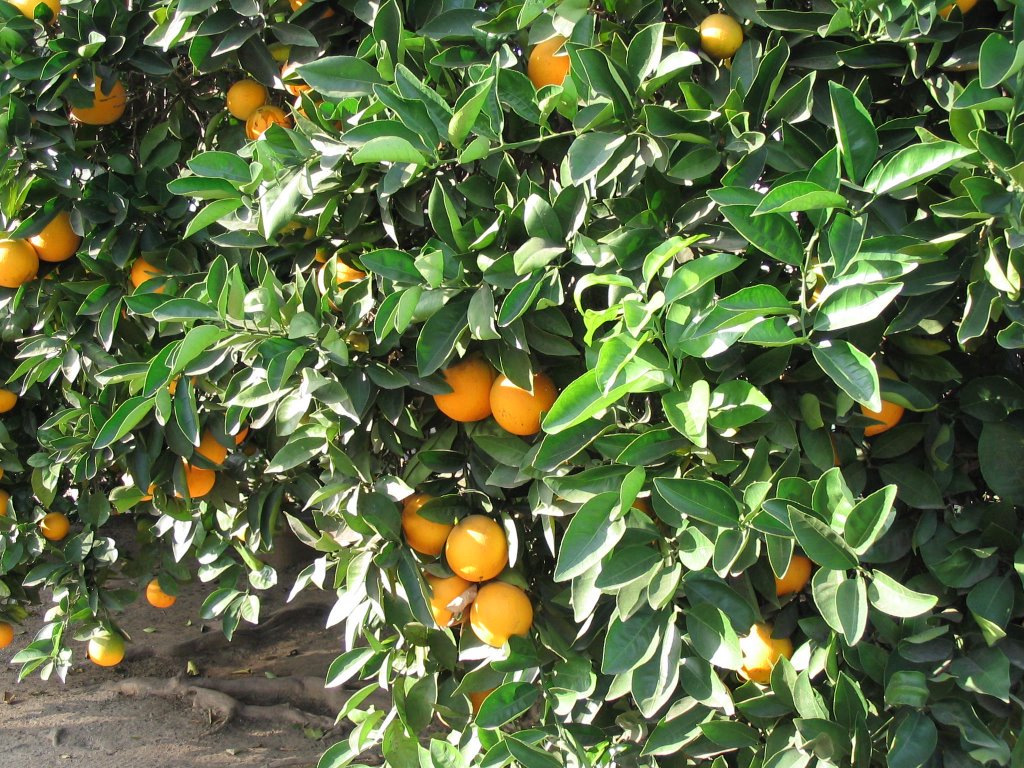 of Riverside's and Californias successful citrus industry. The two navel trees originated from Brazil's Bahia Province and was given to Eliza Tibbets via William Saunders, a horticulturist at the Department of Agriculture in 1873. Saunders hoped the foreign trees would thrive in Riverside, and indeed they did. The oranges produced by the parent navel trees were not only sweet tasting, but were seedless as well. Rumors about the seedless oranges, later named "Riverside Navel," spread amongst the residents of the area and created interest toward the unique trees. An increase in demand for the trees resulted in Eliza Tibbets selling budstock for $5 a bud, an extraordinary amount for that time.
 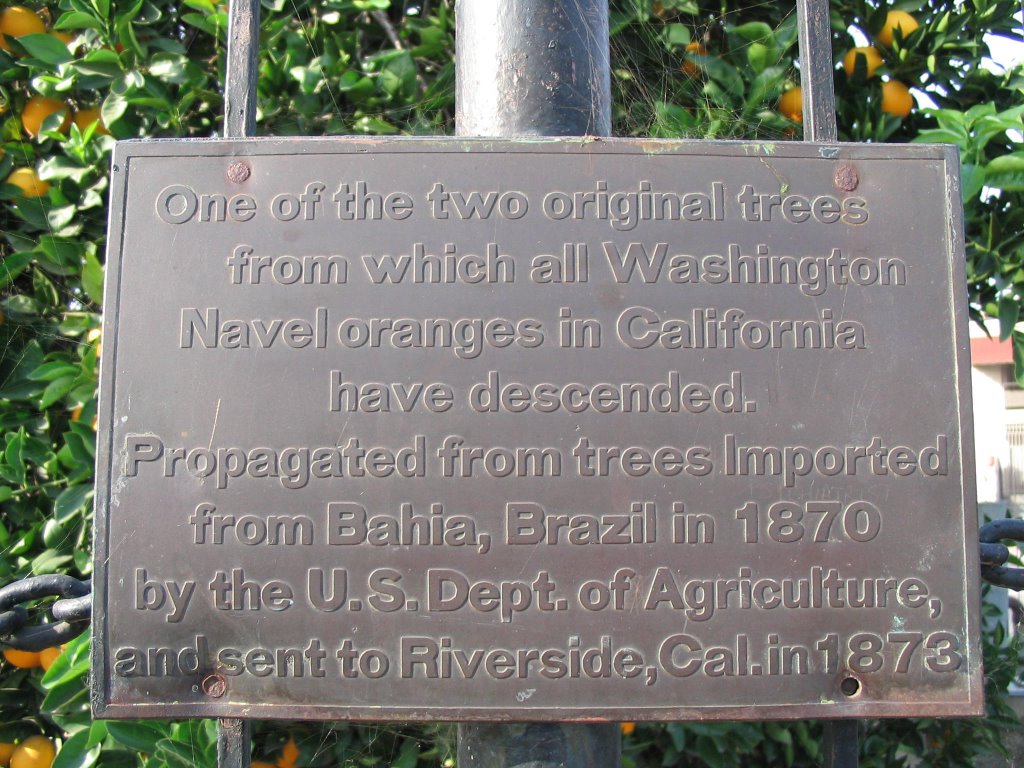 The trees not only made Tibbets famous, it also established Riverside and California, as a principle orange-growing center. In 1903, the Historical Society of Riverside transplanted one of the parent navel orange trees to the Mission Inn. During his tour of the city, President Theodore Roosevelt
  dedicated the tree while a crowd looks on. Unfortunately, the tree did not survive and died in 1921. However, the second parent tree, located on the corner of Arlington and Magnolia Avenue, continues bloom to this date. The orange was later named "Washington Navel" after our first president.
The grapefruit that is located in the fenced area is the first "Marsh Grapefruit", which is the most popular grapefruit around.

What I find interesting is that every Washington navel orange tree in the world descends from this tree. What started out as an experiment to see if the tree would grow in the U.S. resulted in California becoming the citrus capitol of the west coast, and inspiring people from all over the world to move to the paradise that was Southern California at the turn of the century.
Here these trees sit, ignored by most, surrounded by a city, and state, that grew because of these trees. The immense fields of citrus that once covered Southern California are long gone.
My granddaughter poses in front of "The Tree".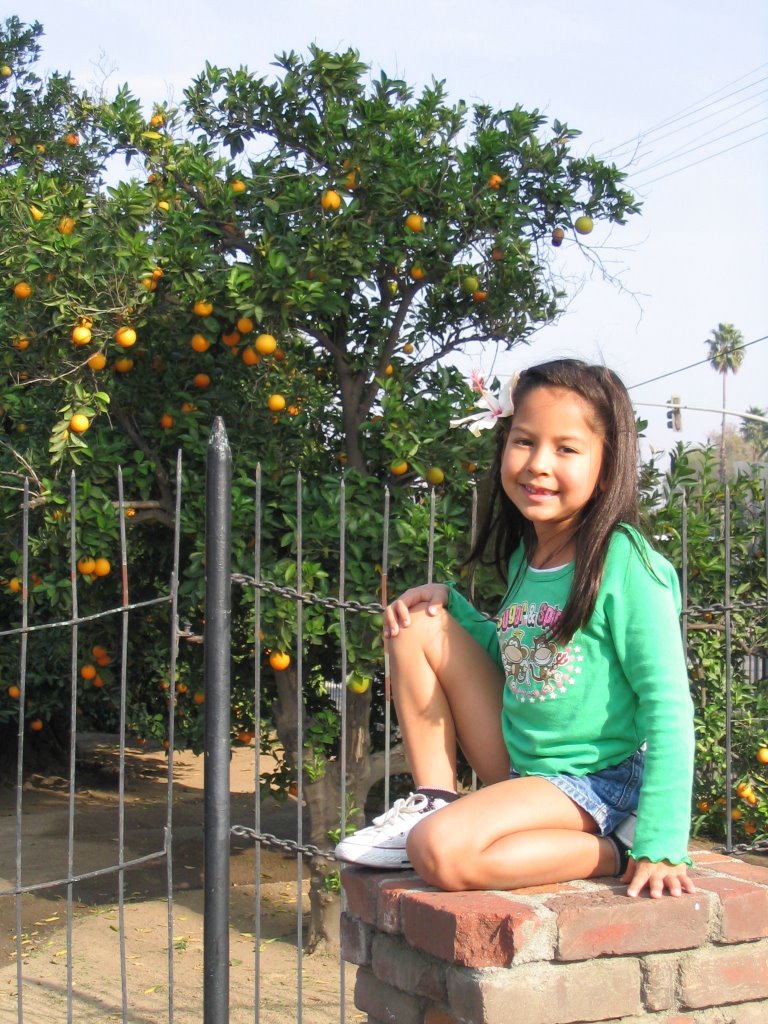
 Great fun was had by all at our first annual scarecrow contest. Many entries were created, with the quality and imagination very evident.

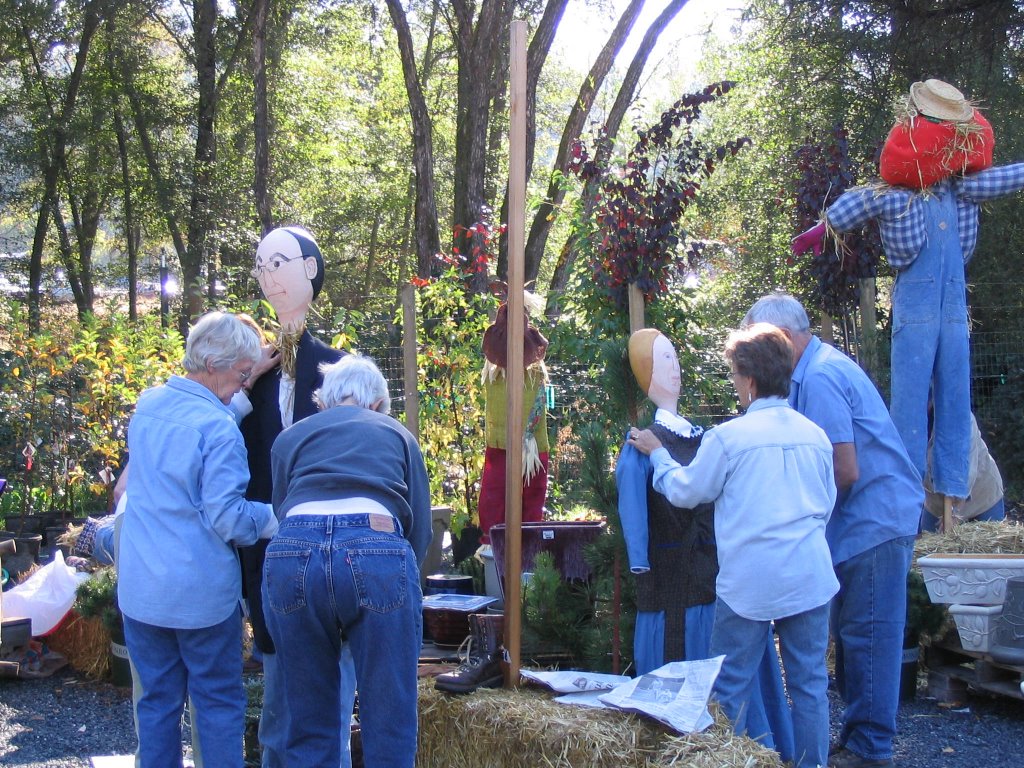 These photos are just some of the great scarecrows. We hope to make it even better next year with a pumpkin growing contest, hay maze, etc.
  Start thinking up a winning scarecrow for next year.
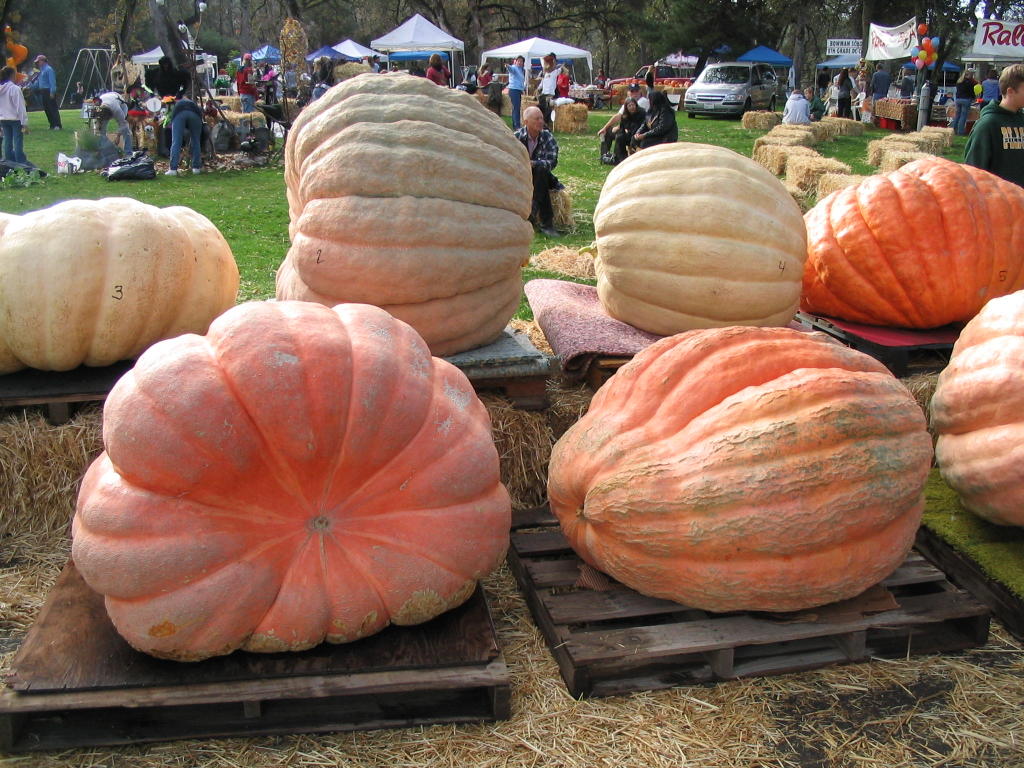


Auburn had it's harvest festival Saturday. I was invited to be a guest on the KAHI 'Garden Guru Show', featuring Don and Chere Yamasaki. We did a live 'feed' from the festival, where Don was to judge the biggest pumpkin contest
These things are huge! The largest one weighed in at 1001 lbs. It was grown by a man in Santa Rosa who trucked it in for the contest. He won a $1000 first prize, which explains why he would transport it around.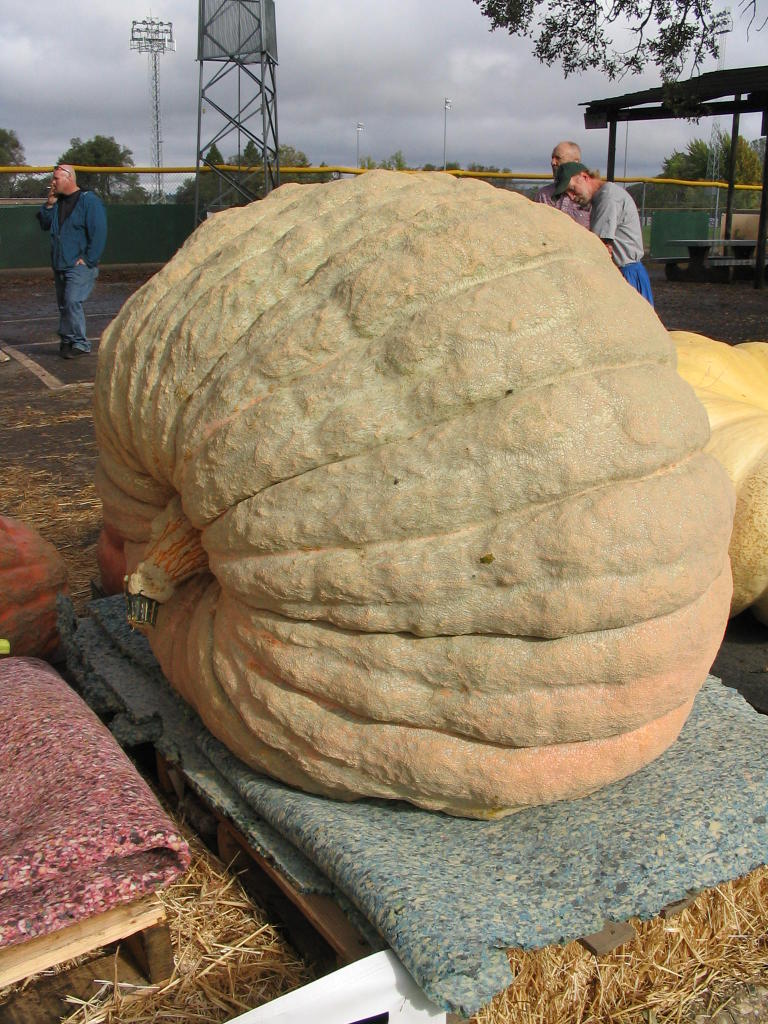
The event was fun and it really is something to see such freakishly large fruit.
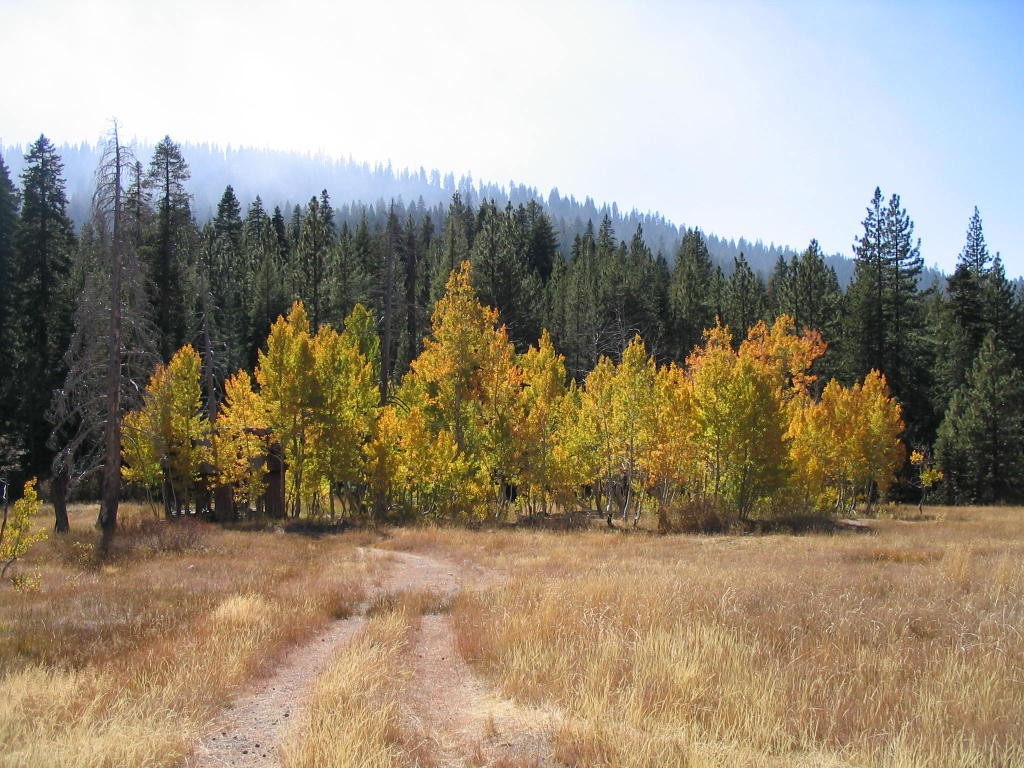

Went to a nursery trade show in Reno. On the way back we passed through Tahoe and came upon this grove of aspen. The color will go fast, so if you haven't had a chance, head to the high country. Fall in the mountains is to be savored.
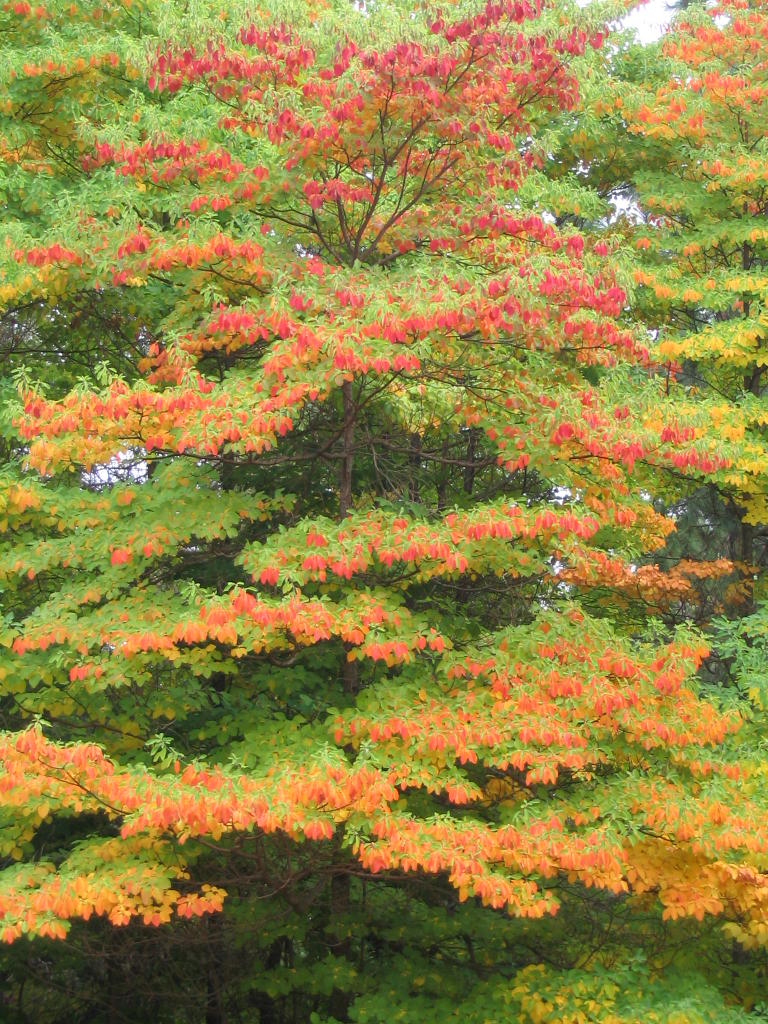 Fall in the foothills rocks. These trees are Sassafras (Sassafras albidum), The sassafras tree is native in Eastern North America from Maine to Ontario and Michigan then as far South as Florida and Texas. Tea, dye, lumber, and fuel are made from the outer bark and roots. The roots are also used to flavor soups and stews. Oil from this tree is also used in perfumes, soaps, lotions, and to flavor medicine.
When I was first made aware of these trees I had a hard time identifying them. They are not listed in Sunset's Western Garden Book. They are very hard to propagate, which is why they are impossible to find in almost any garden center.
These pics are of trees growing at Marshall Rd. and Empire Cr. about a 1/4 mile south of Lower Main St. in Georgetown. In about a week or two they will be about the brightest fall color trees you have ever seen. I'll try to post some pics of them when they are in full color.

I love the fall flowers. They are so much easier to care for than the summer flowers. Snapdragons, mums, pansies,dianthus, and more can be planted now. They grow right through the winter into next spring.

Fall is in the air. One of the first trees to turn color in the fall is the tupelo tree. Nyssa sylvatica is a great tree for our area. The picture is of a tupelo at the garden center. Now is the time to think about adding a fall color tree to your landscape.
The Lotus we have had in our water garden department has finally bloomed. The first picture was taken just a day before the last two pictures.
I brought the lotus into the garden center just so we could enjoy it. We haven't carried lotus in the past, but after watching this one we will carry a selection next season. 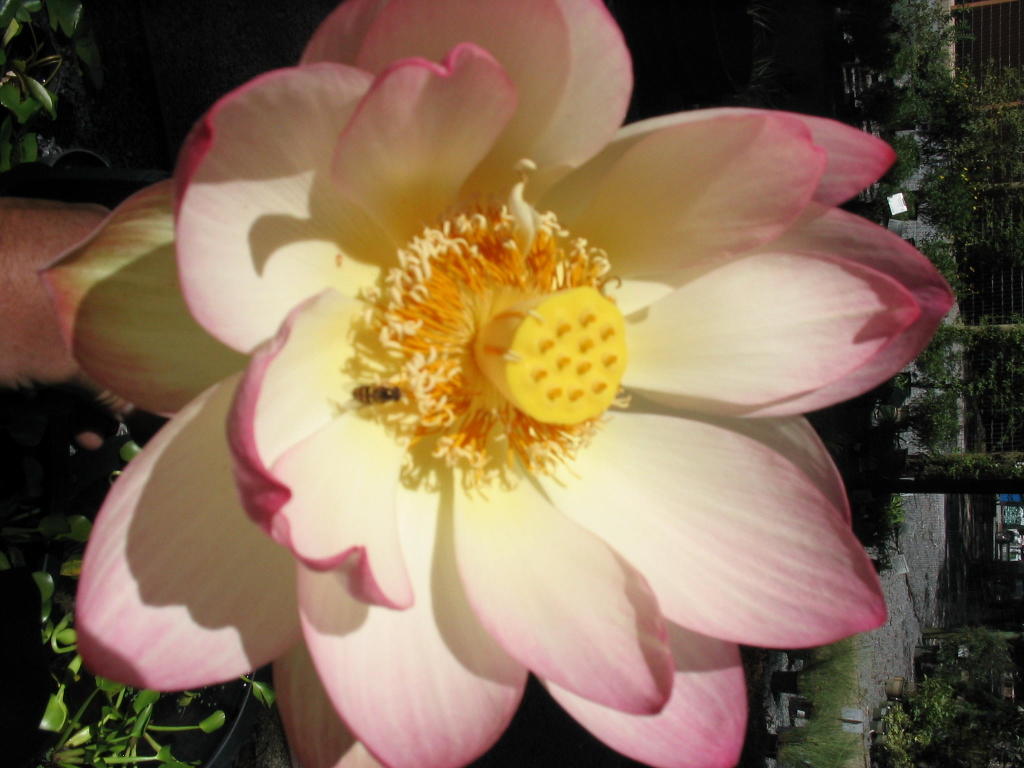
The lotus is winter hardy, as long as the tuber of the plant is kept below freezing water. 
Alas, we won't be able to enjoy the flower any more as a customer bought, and took it to her pond, which happens to be located in our neighboring town of Lotus.